
We say it casually.
“I’ll just have to bite the bullet.”
It means forcing yourself through something painful, frightening, or unavoidable: a difficult conversation, an expensive repair, a medical procedure, a decision you have delayed too long.
But the phrase carries a much darker image.
For centuries before effective anaesthesia, surgery could mean being held down while awake. A shattered limb might need to be amputated quickly. The patient would feel the knife, the saw, the pressure, the terror.
And people did bite down on things to endure it.
That much is real.
But the famous explanation — that soldiers were routinely handed lead bullets to bite during amputations, and that this directly created the phrase — needs an honest caveat.
It is plausible.
It is not proven.
The Horror
Before ether and chloroform transformed surgery in the mid-nineteenth century, operations were brutal tests of speed and endurance.
Surgeons knew that pain, shock, and blood loss could kill. During wartime, especially, a damaged limb could be removed in minutes because delay might mean infection, gangrene, or death.
Patients were often given alcohol, opiates where available, or something to grip or bite.
Leather straps, pieces of wood, cloth, and other improvised objects are all associated with the effort to stop a patient from damaging their teeth or tongue — and to give them something to focus their agony upon.
A lead musket ball would have been readily available on a battlefield.
Lead is soft enough to show marks from teeth. Bullets with marks consistent with human biting have been found at Civil War sites and in collections.
They are haunting objects.
But they cannot always tell us exactly why they were bitten. A soldier might have chewed one from stress, boredom, habit, or during a painful procedure. Tooth marks support the broader history of biting hard objects under duress; they do not prove a specific amputation scene in every case.
And by the American Civil War, anaesthesia was already in use.
Ether and chloroform had entered surgical practice in the 1840s, and military surgeons used them during the Civil War. Their availability was uneven, and surgery remained terrifyingly dangerous, but it is misleading to suggest that Civil War amputations were generally performed with no anaesthetic at all.
The real history is grim enough without overstating it.
The Modern Relic
The phrase itself appears in print in Rudyard Kipling’s The Light That Failed, published in 1891: “Bite on the bullet, old man, and don’t let them think you’re afraid.”
That does not mean Kipling invented the expression. It means the idiom’s earlier documentary trail is unclear.
Etymologists therefore debate whether it literally arose from surgery, from soldiers biting cartridges or bullets in other contexts, or from a broader military image of enduring pain and fear without complaint.
There is another historical association worth separating from the surgical story.
In 1857, Indian soldiers serving the British East India Company were required to bite open greased paper cartridges for Enfield rifles. A widespread belief held that the grease contained cow fat and pig fat.
For Hindu soldiers, cows were sacred. For Muslim soldiers, pigs were forbidden.
To bite those cartridges was believed to violate religious law.
The cartridge controversy became a major catalyst for the Indian Rebellion of 1857 — though it was not the rebellion’s only cause. It joined wider anger over British rule, military discrimination, land policy, religion, and economic exploitation.
So “bite the bullet” sits near two very real histories:
The unimaginable pain of surgery before anaesthesia.
And the coercive demand that colonial soldiers violate their faith to serve an empire.
The exact etymology remains uncertain.
But the image behind the phrase is no harmless invention.
It comes from a world in which people were expected to endure fear, pain, and violence in silence — teeth clenched, with no choice but to get through it.
Nearby on the Dark Atlas
 The Asylum Dickens Wanted For His Wife
The beloved author of A Christmas Carol tried to have his sane wife declared mad to be rid of her.
London, United Kingdom · 1858 · same site
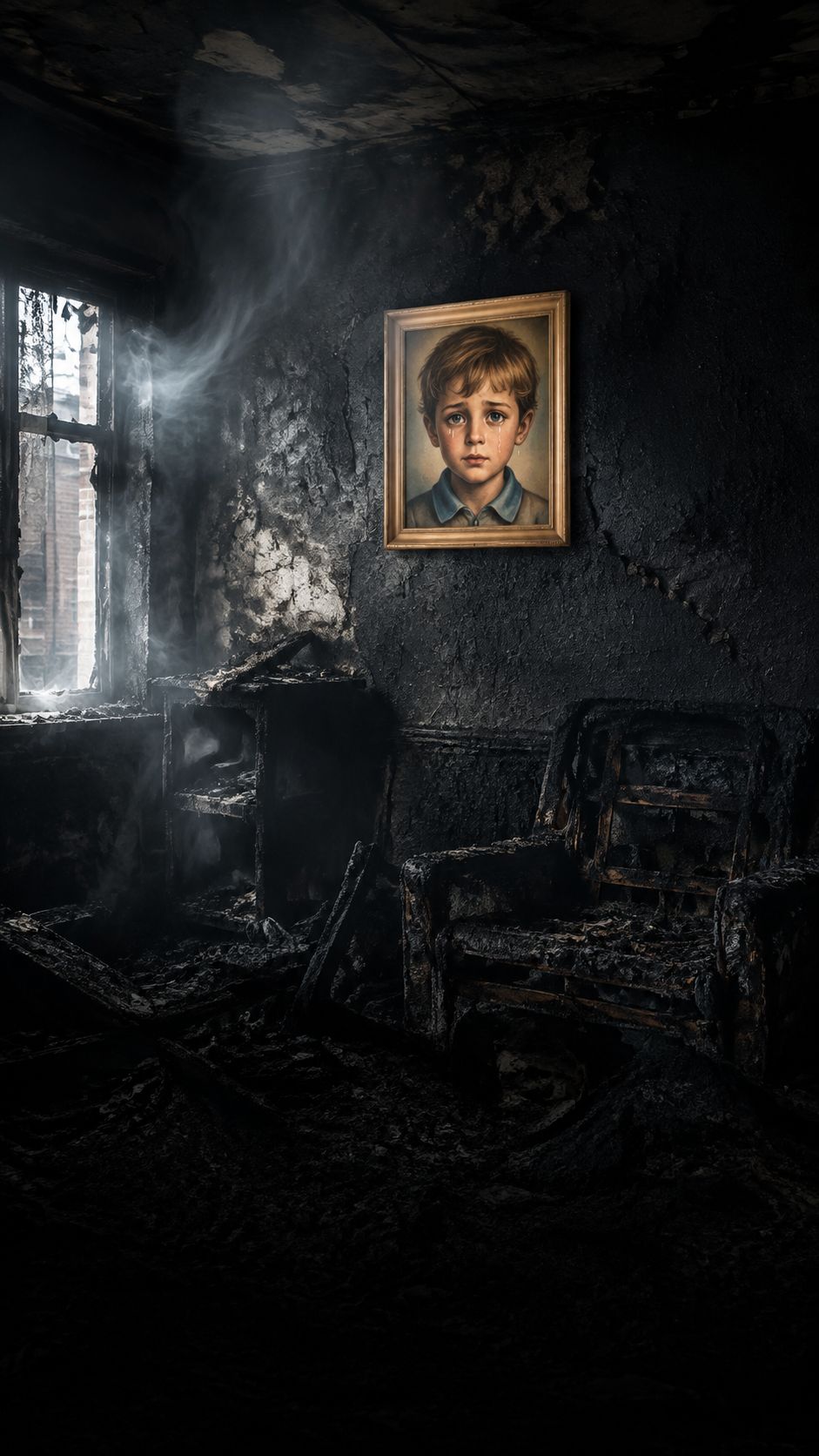 The Cursed Painting That Survived House Fires
A cheap mass-produced print sparked a nationwide panic that it caused fires, and always survived the ashes untouched.
London, United Kingdom · 1985 · same site
- The Disease That Killed By Nightfall
Tudor England lived in terror of a plague so fast it could kill a healthy person before sundown.
London, United Kingdom · 1485 · same site
- The Forgotten Poet Who Defended Eve
She became the first Englishwoman to publish an original book of poetry, then history erased her almost entirely.
London, United Kingdom · 1611 · same site
More like this
- England's Most Fought-Over Haunted Castle
Centuries of border warfare and torture wrote Chillingham's darkness into history long before anyone spoke of ghosts.
Chillingham, Northumberland, United Kingdom · 1245
- The Blood And Blindness In The Original Cinderella
There is no fairy godmother in the Grimms' first Cinderella, only a grave, mutilation, and eyes pecked out by birds.
Kassel, Germany · 1812
- The Christmas Gift Book Full Of Horror
A cheerful hand-coloured children's book shows a boy's thumbs sliced off and a girl burning to ash.
Frankfurt am Main, Germany · 1845
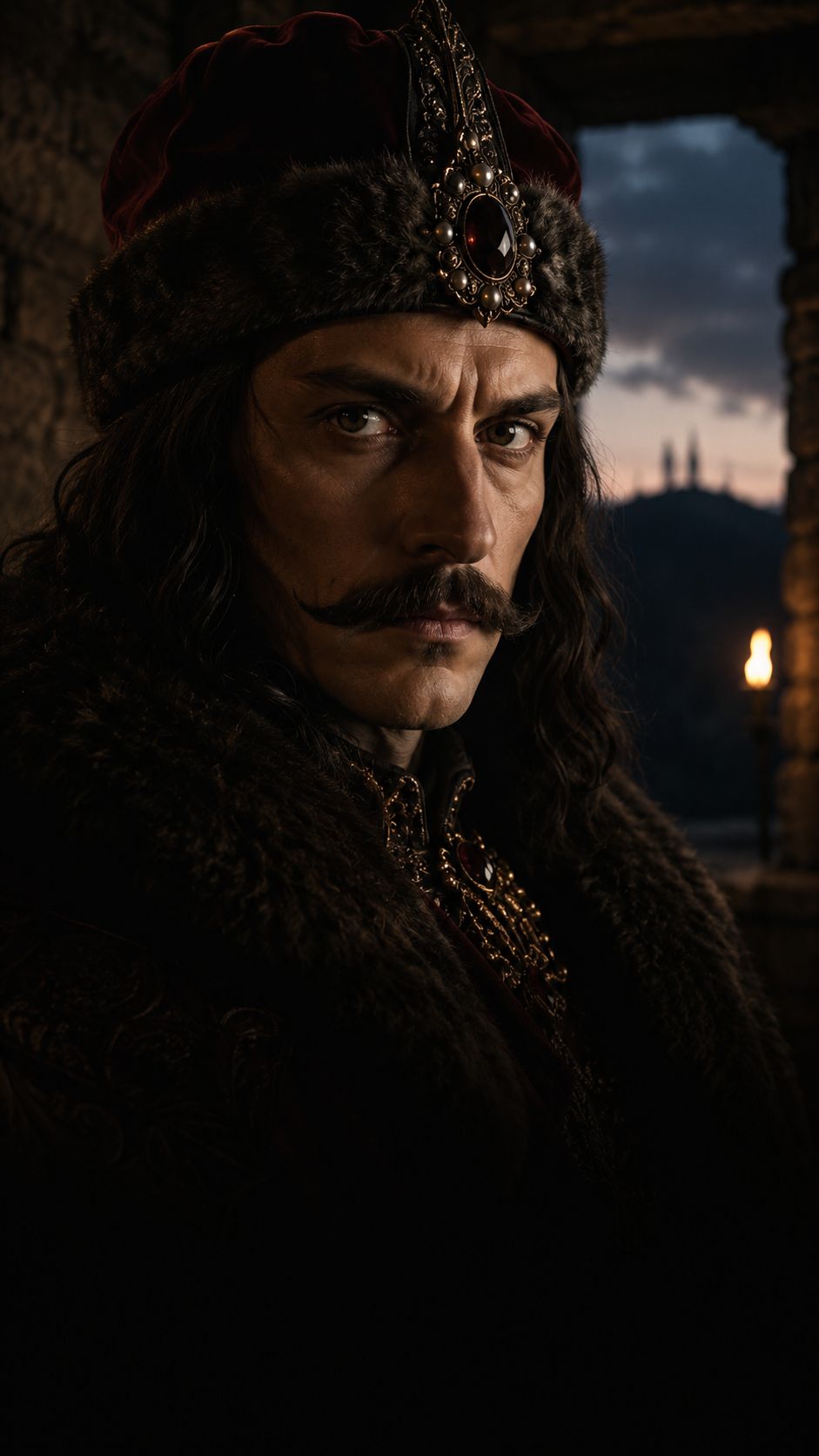 The Real Warlord Behind Count Dracula
Behind the caped movie vampire lies a real medieval warlord whose deeds were more horrifying than Bram Stoker's fiction.
Târgoviște, Romania · 1462