
Imagine waking up healthy, laughing over breakfast, and being dead before nightfall.
That was the terror of the English Sweating Sickness.
It appeared in Tudor England in 1485, returned in four further major outbreaks, and then vanished after 1551. No doctor has ever been able to identify exactly what caused it.
It was fast.
It was frightening.
And, according to the people who lived through it, it often killed the very people who expected health, wealth, and status to protect them.
The disease became known in Latin as sudor anglicus — “the English Sweat.”
Its first recorded outbreak came in 1485, the same year Henry Tudor defeated Richard III at Bosworth and became Henry VII. The coincidence made the new disease feel ominous to contemporaries: a strange new dynasty had arrived, and so had a strange new killer.
The Horror
The Sweat did not unfold slowly.
Accounts, especially the detailed description written by physician John Caius after the 1551 epidemic, describe a sudden attack. A victim could be overwhelmed by dread, chills, dizziness, headache, exhaustion, and severe pain in the neck, shoulders, and limbs.
Then came the heat.
A burning fever. A racing pulse. Intense thirst. And a drenching, profuse sweat that gave the disease its name.
For some people, the entire illness ended within hours.
Recovery or death could come in roughly eight to ten hours. That speed made the disease uniquely terrifying. A person could appear healthy in the morning, collapse by afternoon, and be dead before the next day.
Contemporary writers captured the fear in a brutal phrase: someone could be “merry at dinner and dead by supper.”
What made the Sweating Sickness even stranger was who it appeared to strike.
Most epidemic diseases were associated with overcrowding, poverty, hunger, and poor sanitation. But the Sweat seemed, at least in the surviving records, to have unusually high attack rates among prosperous adult men — including clergy, officials, merchants, and noblemen.
It became associated with young, healthy, well-dressed men of status.
One nickname was “Stop Gallant.”
Meaning: it stopped the gallant young men.
That does not mean poor people were immune. Tudor records are incomplete and naturally preserve the deaths of wealthy people more clearly. But even historians who treat the evidence cautiously agree that contemporaries believed this disease behaved differently from other familiar plagues.
It terrified the Tudor court.
During the outbreak of 1528, Henry VIII reacted with panic. He withdrew from court, avoided crowds, and moved away from places where infection was reported. His household scattered.
Even the king could not command an invisible disease to stay away.
Anne Boleyn’s household was touched by the outbreak, and reports say she and her father became ill but survived. The wider panic helped intensify the instability of a court already consumed by Henry’s campaign to end his marriage to Catherine of Aragon.
The Modern Relic
The disease may also have changed English history — although this part must be told carefully.
In 1502, Arthur Tudor, Prince of Wales, died at fifteen. He was Henry VII’s eldest son, husband of Catherine of Aragon, and the boy expected to become king.
His death made his younger brother Henry the heir.
That younger brother became Henry VIII.
Arthur’s death is often attributed to the Sweating Sickness, but historians cannot prove it. Other illnesses have been suggested. Still, if Arthur did die from the Sweat, then one mysterious outbreak helped clear the path to Henry VIII’s reign — and everything that followed: the royal divorces, the break with Rome, the English Reformation, and the birth of a new Protestant state.
The Sweat returned in 1508, 1517, 1528, and finally in 1551.
Then it disappeared.
Not gradually. Not under the pressure of a vaccine, a cure, or a major public-health campaign.
It simply stopped appearing in the historical record.
And no one knows why.
Modern researchers have proposed several explanations: influenza, relapsing fever, anthrax exposure, an arbovirus, and hantavirus carried by rodents. Hantavirus is often presented as the leading theory because it can cause sudden severe illness and may fit some environmental patterns described in Tudor outbreaks.
But it is still only a theory.
There are no preserved samples. No DNA. No surviving tissue. No way to test the dead.
The Sweating Sickness remains one of medicine’s oldest unsolved cold cases.
A disease that arrived in 1485.
Killed with terrifying speed.
Frightened kings.
May have altered the succession to the English throne.
And then disappeared after 1551, taking its name — and its cause — into the grave.
Nearby on the Dark Atlas
 The Asylum Dickens Wanted For His Wife
The beloved author of A Christmas Carol tried to have his sane wife declared mad to be rid of her.
London, United Kingdom · 1858 · same site
 The Battlefield Origin Of Biting The Bullet
Before anaesthesia, wounded men bit down on lead to endure the surgeon's knife, or so the grim legend says.
London, United Kingdom · 1891 · same site
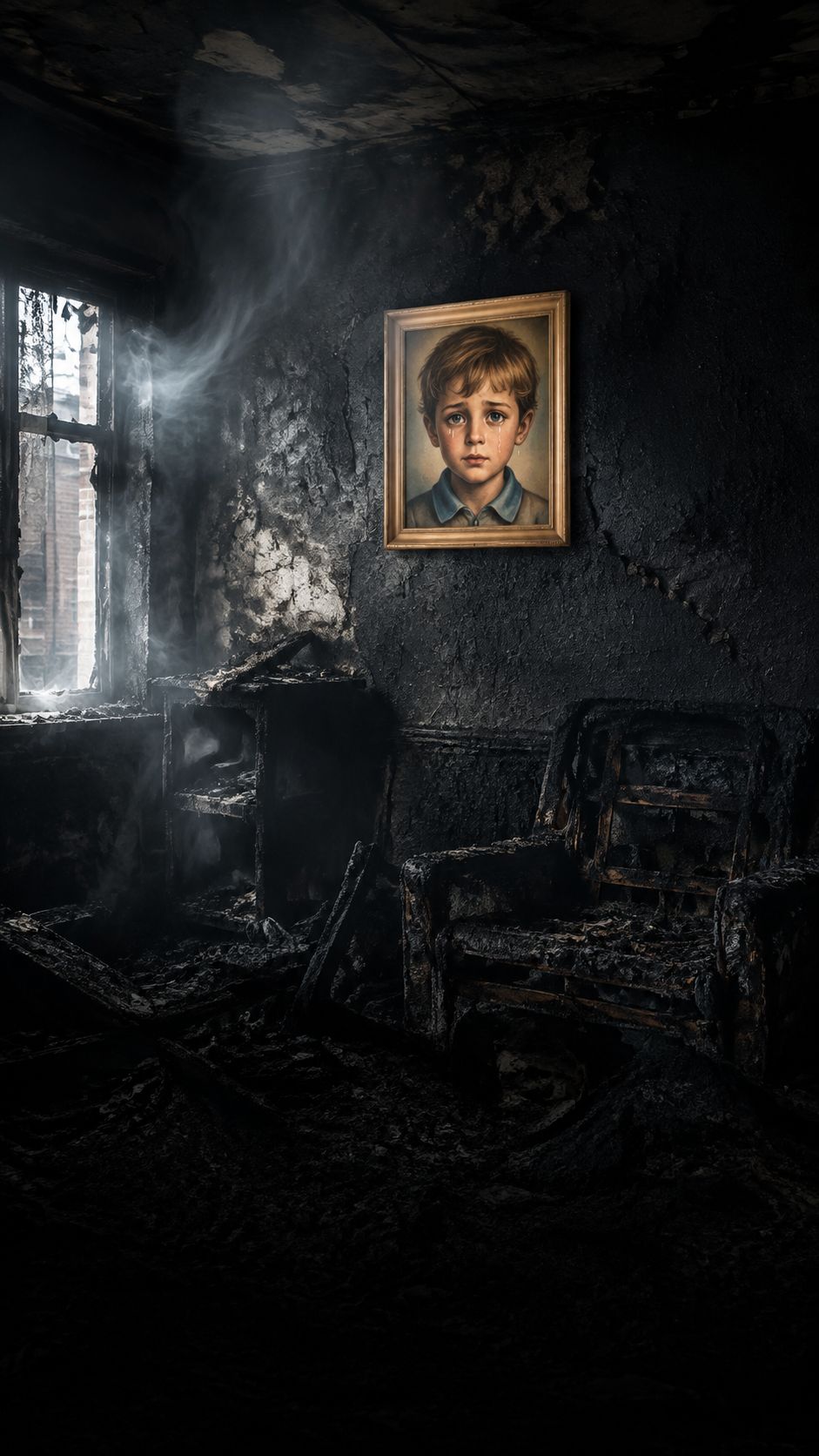 The Cursed Painting That Survived House Fires
A cheap mass-produced print sparked a nationwide panic that it caused fires, and always survived the ashes untouched.
London, United Kingdom · 1985 · same site
- The Forgotten Poet Who Defended Eve
She became the first Englishwoman to publish an original book of poetry, then history erased her almost entirely.
London, United Kingdom · 1611 · same site
More like this
- The Leper King's Story No Film Would Show
Kingdom of Heaven gave him a dignified death behind a silver mask, the truth was far crueller.
Jerusalem, Israel · 1185
- The Truth Behind The Elephant Man
The real man behind the famous film was quieter, stranger and far more heartbreaking than any screenplay.
Whitechapel, London, United Kingdom · 1890
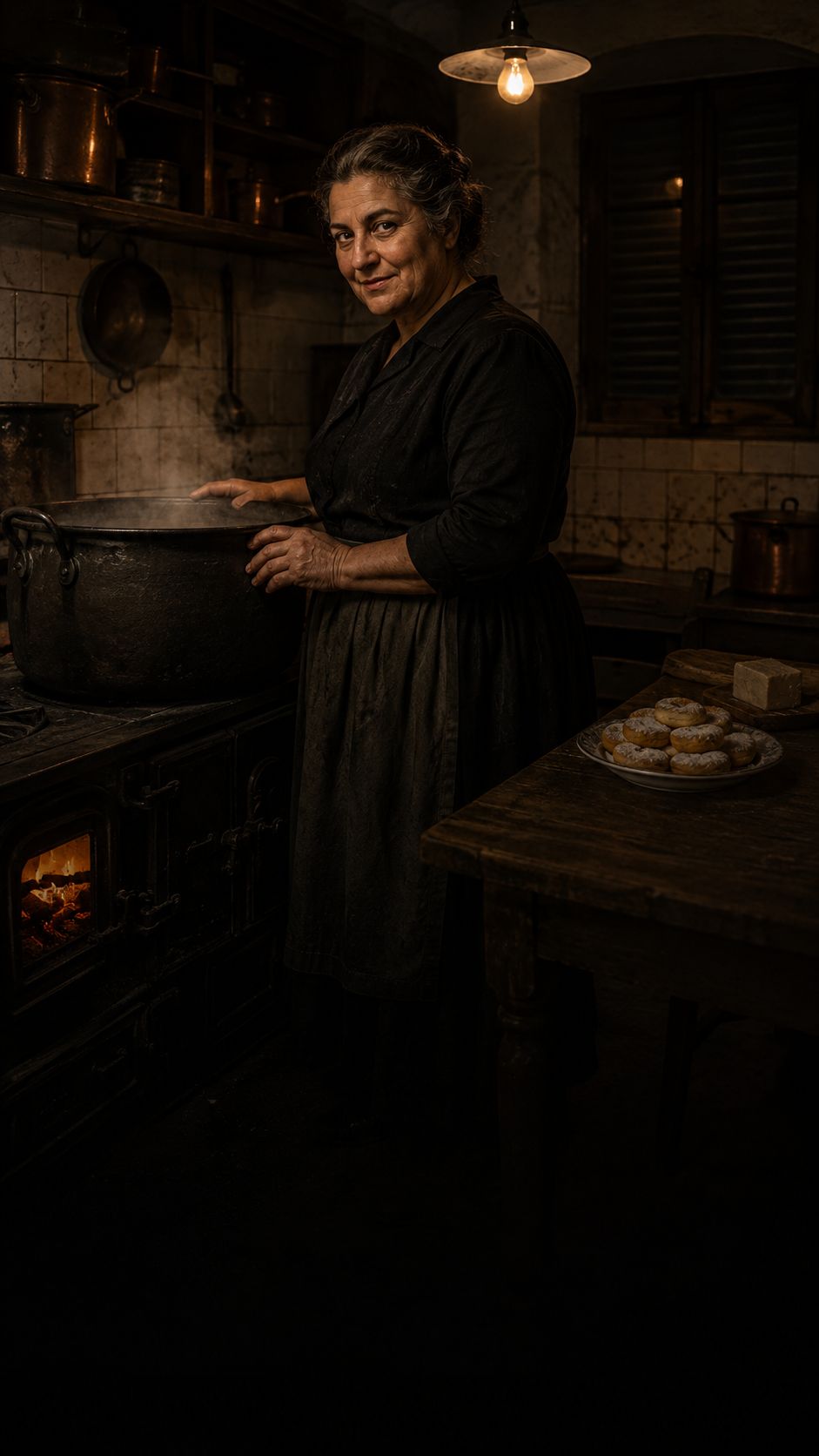 The Soap-Maker Who Murdered For Love
An Italian woman murdered three neighbours and turned their bodies into soap and teacakes, believing she was saving her son.
Correggio, Italy · 1940
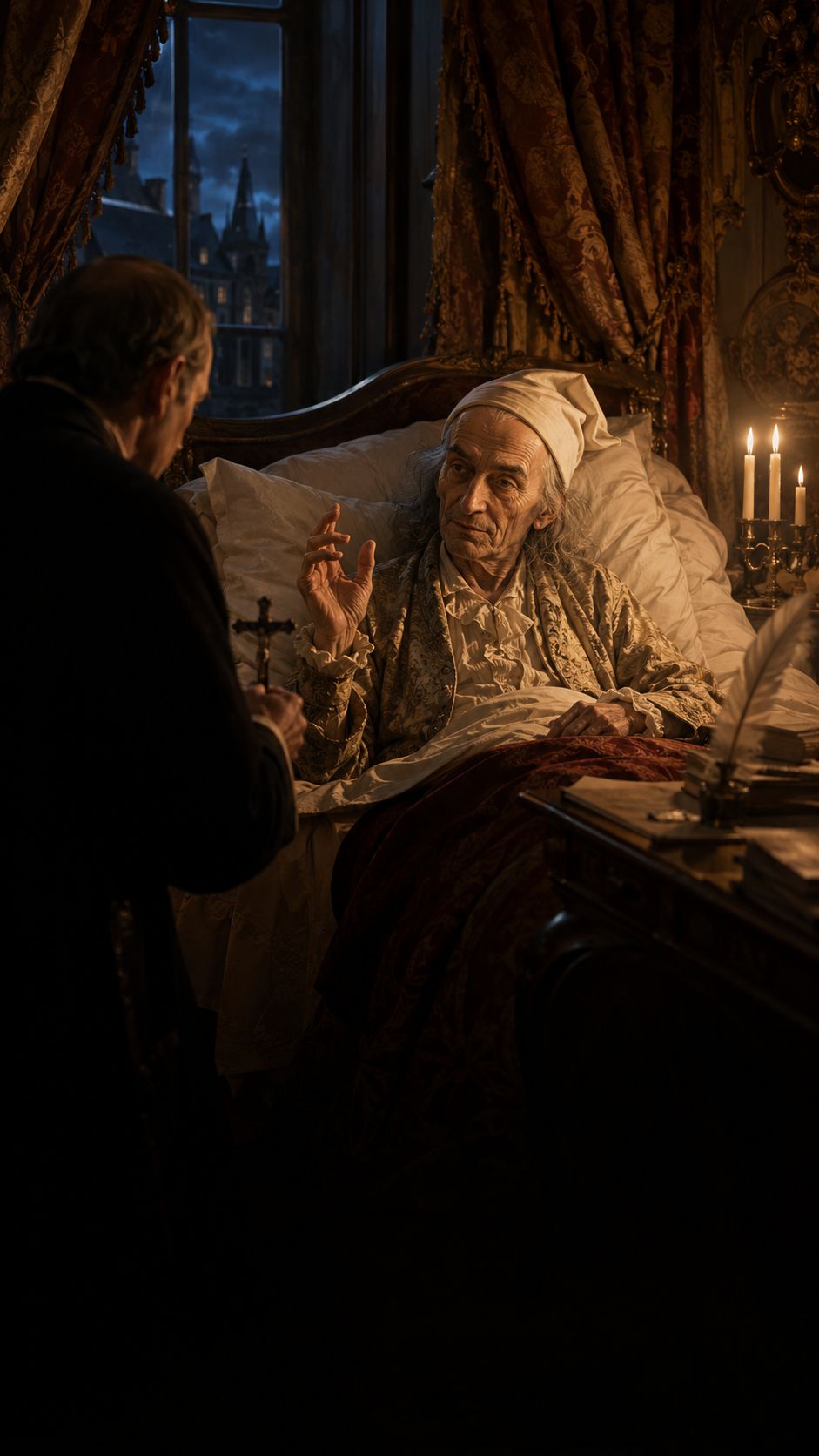 Voltaire's Final Battle With The Church
The Church tried to deny him a grave, but revolutionaries would carry his body to a hero's tomb thirteen years later.
Paris, France · 1778