
On the evening of 22 April 1915 near Ypres in Belgium, German forces opened 5,700 canisters containing 168 tons of chlorine gas along a four-mile stretch of the Allied front line, and a thick yellow-green cloud drifted across no man’s land and dropped into the trenches where French and Algerian troops were waiting, and the gas combined with the moisture in their lungs to form corrosive acid, and the men who breathed it felt their airways dissolve from the inside, and those who could run ran, and those who could not were left where they fell, and within minutes a six-kilometre hole had been torn open in the Allied line, and this was the first time chemical weapons had been deployed on this scale in modern warfare, and the soldiers issued to defend against it were handed cotton pads soaked in urine and told to hold them over their faces, and within three years every major power in the war was using gas.
Interesting Fact: The Germans had tested chlorine gas on the Eastern Front months earlier but cold temperatures had frozen it on impact, masking its effectiveness. At Ypres the conditions were perfect — a light wind, a warm afternoon, open trenches. The attack killed between 800 and 1,400 men in minutes and left thousands more with destroyed lungs. The Allies condemned it as an act of barbarism. Within six months, the British were deploying their own gas at the Battle of Loos — and the wind changed direction and blew it back into their own trenches.
Nearby on the Dark Atlas
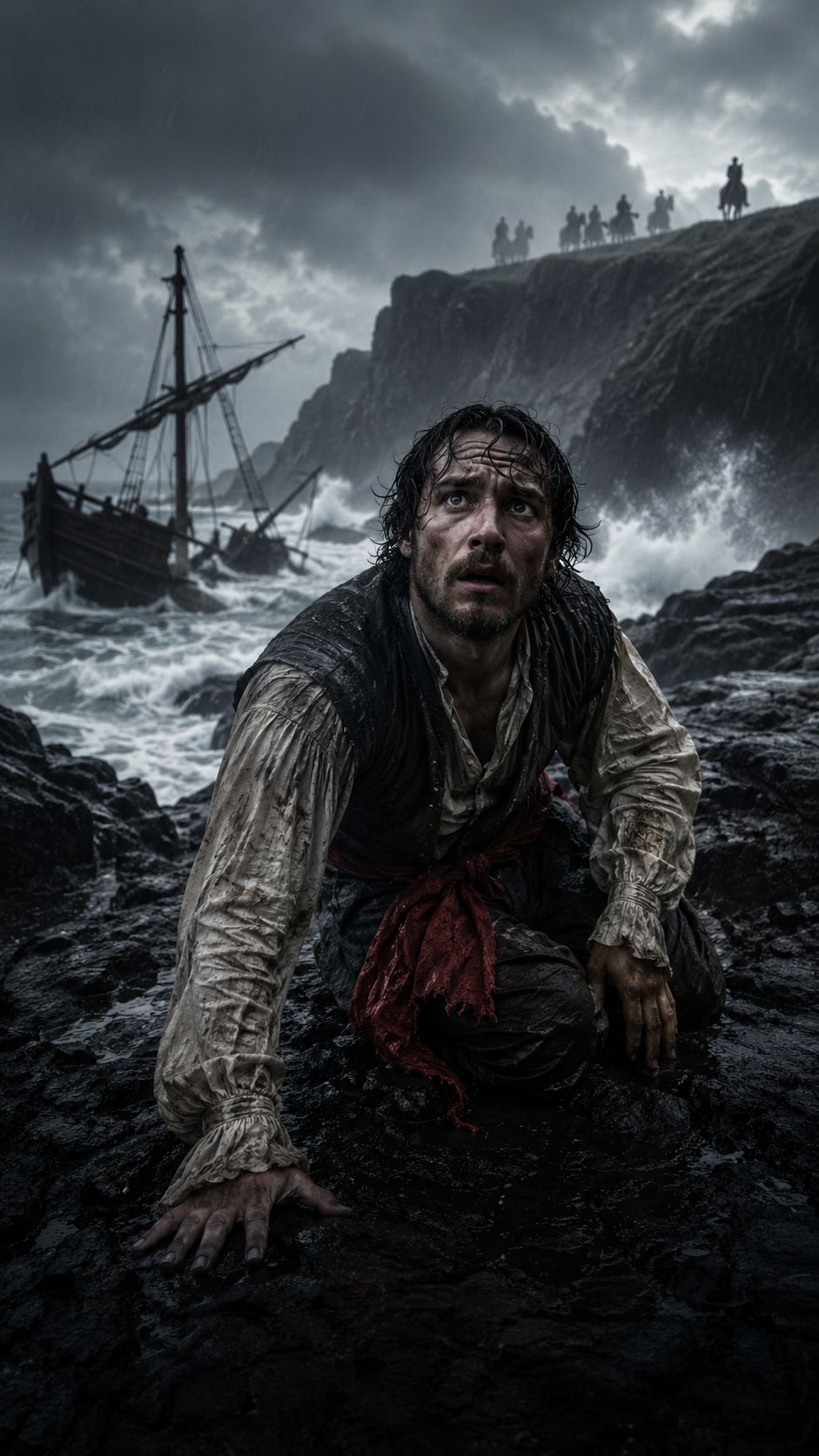 The Armada's Graveyard After The Battle
England celebrated a legendary naval victory, but thousands more Spanish sailors died in the storms and wrecks that followed.
Gravelines, France · 1588 · 55 km away
- The Nurse Executed For Saving Soldiers
A British nurse in occupied Belgium was shot by German firing squad for helping soldiers escape.
Brussels, Belgium · 1915 · 103 km away
 Strangled And Burned For Translating The Bible
He vowed a ploughboy would know scripture better than the clergy — and it cost him his life at the stake.
Vilvoorde, Belgium · 1536 · 109 km away
 Tortured To Death Over A Hat
A nineteen-year-old nobleman was tortured and executed for blasphemy in a case that scandalised all of Enlightenment Europe.
Abbeville, France · 1766 · 111 km away